
Infrared Sauna
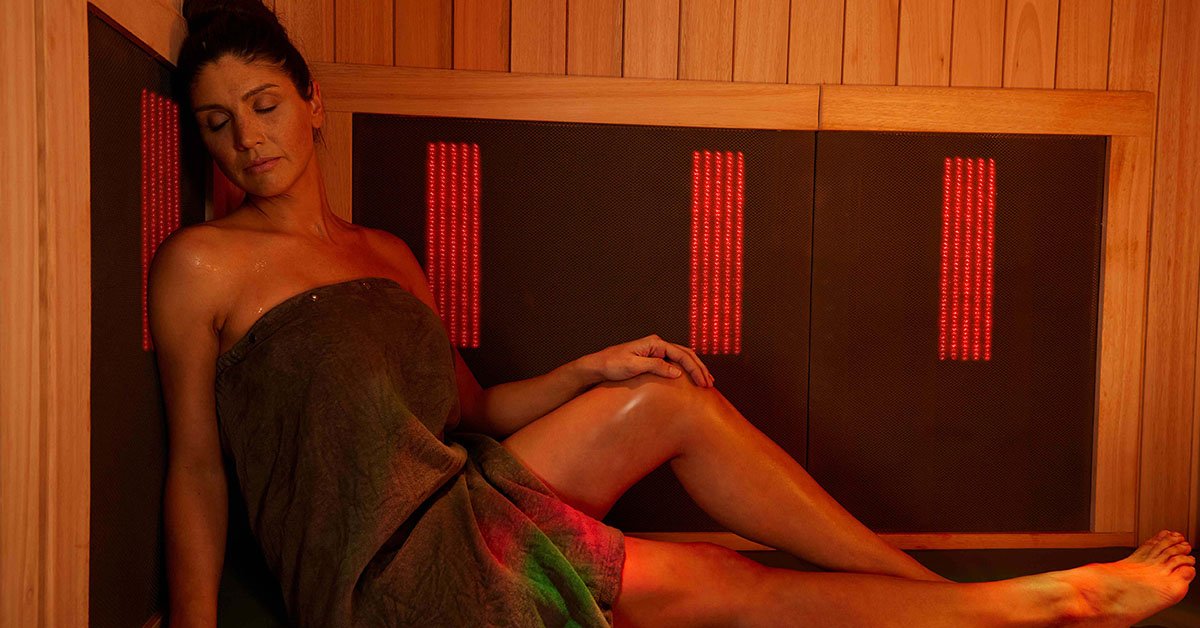
Full-spectrum Sunlighten mPulse — with red light therapy built in.
Four wavelengths of light and a deep, comfortable heat in a single session — designed to help you recover, relax, and feel restored. Now open at our Midtown Manhattan clinic.
Heat that works with light, not just hot air
A traditional sauna heats the air around you. An infrared sauna uses light to warm your body directly — a deeper, more comfortable heat at a lower air temperature that's far easier to sit in and turn into a habit.
Atlas uses the Sunlighten mPulse, a full-spectrum system that delivers four separate wavelengths — red light, near-, mid-, and far-infrared — each controlled on its own. The upshot: you get the sweat and relaxation of a sauna plus red light therapy in the same session, instead of booking them apart.
From visible red to deep infrared
The mPulse separates four wavelengths along the light spectrum — from the red you can see, fading into the infrared you can only feel.
Red light therapy
Visible red light at the skin's surface — the same red light therapy people seek on its own, here as part of the session.
Near-infrared
Reaches beyond the surface. Studied in the context of recovery, circulation, and tissue repair.
Mid-infrared
A warming wavelength associated with circulation and that loosening, comfortable heat.
Far-infrared
The deep radiant heat at the heart of the sauna — the wavelength behind the sweat and the calm.
Why infrared feels different
Same idea — get warm, sweat, relax. Very different experience getting there.
Heats the air
- — Often 160–200°F — the heat sits on your skin
- — Can feel harsh; shorter sessions for many people
- — Heat only — no light therapy
- — One setting for everyone
Warms your body
- + Lower air temperature, deeper-feeling warmth
- + Comfortable enough to relax for the full session
- + Red light therapy built into every session
- + Choose a program to match the day
What 40 minutes looks like
Simple, private, and easy to fold into your day.
Arrive
A quick intake, grab water, and step into your private cabin.
Choose a program
Pick a preset on the in-cabin screen to match how you feel.
~40 minutes
Settle in. The heat builds gently while the light works in the background.
Cool down
A few minutes to rehydrate and reset before you head out.
Full spectrum
Red, near-, mid-, and far-infrared. Most saunas offer only one or two.
Ultra-low EMF
SoloCarbon heaters are engineered for very low EMF output.
Gentler heat
Warms the body directly, so it works at a more comfortable air temperature.
Personalized
Preset programs let you tailor each session to how you feel.
A simple habit with real upside
People fold the infrared sauna in for different reasons — here are the most common.
-
Recovery
A warm reset after training to support how your body bounces back.
-
Stress & calm
Quiet heat and light to help you downshift at the end of a long day.
-
Skin & glow
The red light component is the same wavelength range people seek for skin support.
-
Circulation
Gentle, deep heat that leaves you warm, loose, and relaxed.
Want the full recovery stack?
The Ammortal Chamber layers red light, PEMF, vibroacoustic sound, breathwork, and molecular hydrogen into one guided session. The sauna is the everyday habit; the Chamber is the deep reset.
Infrared sauna questions, answered
Is an infrared sauna the same as red light therapy?
Related, but not identical. Red light is visible light at the skin's surface (around 630–700 nm); infrared is invisible and penetrates further. The Sunlighten mPulse delivers both, so a session gives you red light therapy and full-spectrum infrared together rather than as separate appointments.
How is infrared different from a traditional sauna?
A traditional sauna heats the air to warm you; an infrared sauna uses light to warm your body directly. That means a deep, comfortable heat at a lower air temperature, which most people find far easier to sit in for a full session.
How often should I use it?
It varies by person and goal. Many start with two or three sessions a week and adjust from there. Our team can help you find a rhythm that fits your routine.
What should I bring or wear?
Bring water and wear something light and comfortable. You'll sweat, so hydrate before and after, and give yourself a few minutes to cool down at the end.
Is there anyone who should check with a doctor first?
Heat isn't right for everyone. If you're pregnant, have a heart condition, low blood pressure, or any significant medical condition, talk with your physician before your first session. Our team reviews a brief intake beforehand.
Explore other services
Book your infrared sauna session
The Sunlighten mPulse is open at our Midtown Manhattan clinic. Pick a time online, or call and we'll get you set up for your first session.
- ✓ Book online in under a minute
- ✓ Private cabin at our Midtown Manhattan clinic
- ✓ Optional add-on to your Atlas membership
Questions first?
Send a note and our team will get back to you within 24 hours
Wellness disclaimer. Infrared sauna sessions are offered as a wellness and relaxation service for general comfort, recovery, and relaxation. They are not a medical treatment and are not intended to diagnose, treat, cure, or prevent any disease. Statements on this page have not been evaluated by the Food and Drug Administration. Research on infrared and red/near-infrared light is at varying stages and individual experiences vary. Heat exposure is not appropriate for everyone — consult your physician before your first session, particularly if you are pregnant, have a cardiovascular condition, low blood pressure, or any significant medical condition.