


GLP-1 medications are some of the most effective weight loss tools available, but some men start treatment expecting to feel lighter and sharper and instead feel drained. If that sounds familiar, you are not imagining it. Fatigue is a recognized side effect, it has clear causes, and in most cases it can be managed without giving up your results. At Atlas Men's Health in East Meadow and Midtown Manhattan, our clinicians run medically supervised GLP-1 weight loss programs backed by bloodwork, with MIC+B12 injections and IV therapy available to support energy along the way.
This guide answers the question does GLP-1 make you tired, explains why it happens, how long it lasts, and what you can do to feel strong again.
Does GLP-1 Make You Tired
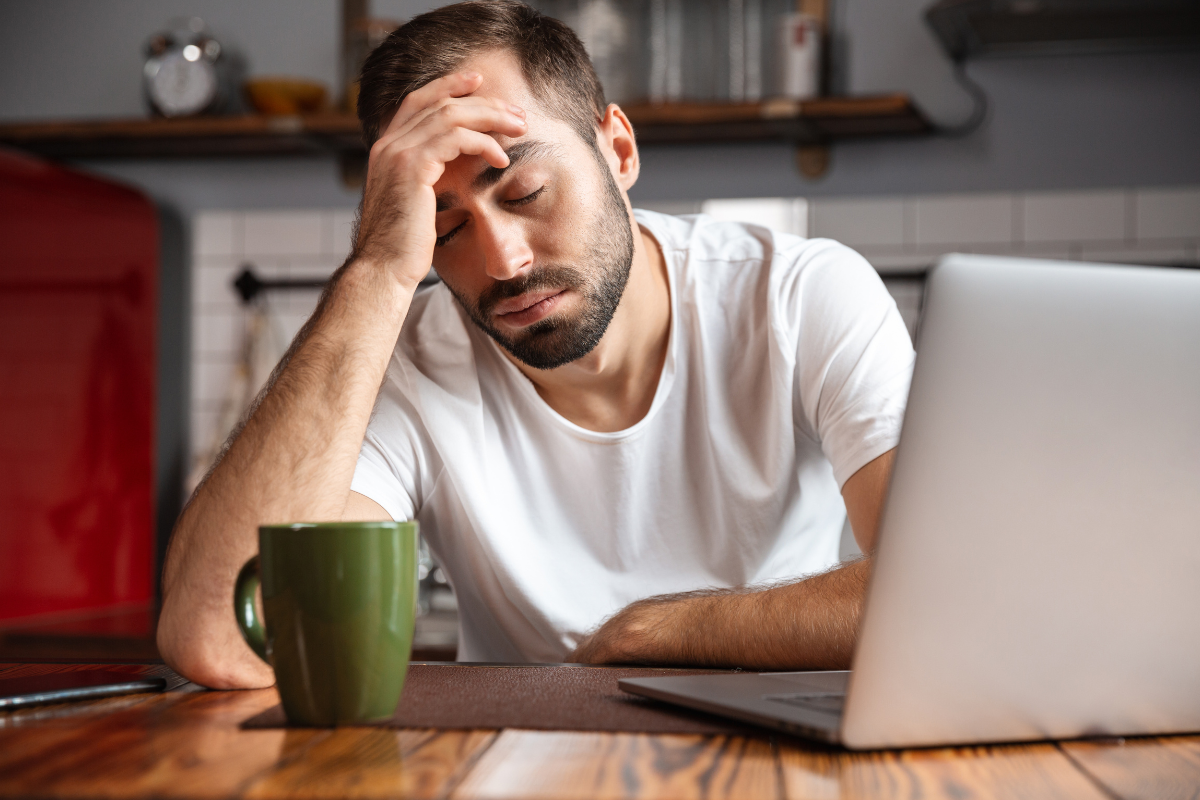
For some people, yes. Tiredness is reported in clinical trials of GLP-1 medications and is one of the most common complaints patients bring to follow-up visits, especially early in treatment. Others feel no change in energy at all, and many feel better once weight starts coming off.
The medication itself is rarely the whole story. In most cases, fatigue comes from the changes the medication triggers: eating less, drinking less, and a body adjusting to a new metabolic normal.
Why Can GLP-1 Make You Tired
Knowing the cause is the first step to fixing it. These are the most common drivers.
Fewer Calories
GLP-1 medications reduce appetite, often dramatically. Eating far less than your body needs leaves you short on fuel, and energy drops accordingly.
Low Protein Intake
When appetite shrinks, protein is often the first thing to go. Low protein intake accelerates muscle loss, and less muscle means lower strength, slower metabolism, and more fatigue.
Dehydration
GLP-1 treatment can blunt thirst as well as hunger. Even mild dehydration causes tiredness, headaches, and brain fog.
Digestive Side Effects
Nausea, vomiting, and diarrhea pull fluids and electrolytes out of your body and make it harder to eat well, which compounds every other cause on this list.
Nutrient Gaps
Eating less can leave you short on iron, vitamin B12, and vitamin D, all of which affect energy. Our guide to vitamin D explains why low levels are so common and how they affect how you feel.
Blood Sugar Drops
Men who also take insulin or other glucose-lowering medications face a higher risk of low blood sugar, which can cause sudden weakness and shakiness.

How Long Does GLP-1 Fatigue Last
For most patients, GLP-1 fatigue is strongest in the first few weeks of treatment and in the days after a dose increase. As your body adapts and you dial in your eating and hydration, energy usually improves.
How long it lasts for you depends on your dose schedule, your nutrition, and whether an underlying issue is involved. Fatigue that persists for weeks after a dose has stabilized deserves a closer look rather than more patience.
When You Feel GLP-1 Tired All the Time
Constant exhaustion is not something to push through. Persistent exhaustion can point to issues the medication did not cause but may be unmasking:
Low testosterone, which commonly causes fatigue, low drive, and poor recovery in men
Thyroid problems
Iron deficiency or anemia
Low vitamin B12 or vitamin D
Poor sleep quality or sleep apnea
This is where bloodwork earns its place. At Atlas, lab testing is part of every program, so persistent fatigue gets investigated, not guessed at.
GLP 1 Fatigue Side Effect vs Something More Serious
Typical treatment-related tiredness is a general low-energy feeling that improves over time. Some symptoms need prompt medical attention instead:
Dizziness or fainting
A racing or irregular heartbeat
Vomiting that keeps you from holding down fluids
Confusion, shakiness, or sweating, which can signal low blood sugar
Severe abdominal pain
Contact your clinician right away if any of these appear.
How to Combat GLP-1 Fatigue
The good news is that for most men, "does GLP-1 make you tired" has a fixable answer. These steps keep your energy high while the weight comes off.
Prioritize Protein at Every Meal
Build each meal around a protein source first. Protein protects muscle, keeps blood sugar steady, and supports recovery.
Eat Enough, Even When You Are Not Hungry
Appetite suppression is the point of the medication, but undereating backfires. Small, regular meals keep your energy more stable than one large meal late in the day.
Hydrate on a Schedule
Do not wait for thirst. Drink water steadily through the day and add electrolytes if you are dealing with nausea or digestive symptoms.
Lift Weights
Resistance training protects muscle mass and improves energy, mood, and sleep. Two to three sessions a week makes a real difference.
Protect Your Sleep
Consistent sleep and wake times help your body adapt to treatment faster.
Review Your Dose With Your Clinician
If fatigue spikes after each increase, a slower titration schedule can help. Never adjust your dose on your own.
Consider Targeted Support
Some patients add support treatments to their plan. MIC+B12 skinny shots provide B12 and lipotropic compounds that support energy metabolism, and NAD+ therapy is another option for patients focused on cellular energy. Our article on whether NAD boosts your energy covers how it works.
Lose Weight and Keep Your Energy at Atlas Men's Health
Weight loss should leave you stronger, not drained. At Atlas Men's Health, our clinician-led team in East Meadow and Midtown Manhattan builds medically supervised GLP-1 programs around your bloodwork, with nutrition guidance, MIC+B12 support, and testosterone evaluation when fatigue sticks around. Schedule a consultation and start looking, feeling, and performing at your physical peak.
Frequently Asked Questions
Does GLP-1 make you tired forever?
No. For most patients, tiredness is strongest early in treatment and after dose increases, then improves as the body adjusts and eating habits settle.
Can low testosterone make GLP-1 fatigue worse?
Yes. Low testosterone causes fatigue on its own, and weight loss without adequate protein and strength training can make it harder to feel energized. Checking testosterone levels is a smart step if fatigue persists.
Does GLP-1 make you tired more at higher doses?
Many patients notice more fatigue in the days after a dose increase. Energy often improves once the body adapts to the new dose.
Should I stop my medication if I feel tired?
Not without talking to your clinician first. Most fatigue responds to changes in nutrition, hydration, and dose schedule, and stopping suddenly can stall your progress.