


How Often Should You Do Red Light Therapy? A Complete Guide
Red light therapy has moved firmly into mainstream men's health and wellness, and for good reason. The clinical evidence supporting it for skin health, muscle recovery, joint pain, and overall cellular function has grown substantially over the past decade. At Atlas Men's Health, it's one of the wellness tools we recommend most often as part of a broader optimization protocol. But one question comes up more than almost any other: how often should you do red light therapy? Get the frequency wrong and you either undercut your results or potentially stall them. Get it right and you're working with one of the most effective non-invasive recovery and anti-aging tools available.
How Red Light Therapy Works
Before getting into frequency, it helps to understand what red light therapy actually does at the cellular level. Red and near-infrared wavelengths (typically 630-850nm) penetrate skin and soft tissue and are absorbed by mitochondria, specifically by an enzyme called cytochrome c oxidase. This triggers an increase in ATP production, nitric oxide release, and reduction in oxidative stress. The net result is more cellular energy, better circulation, accelerated tissue repair, and a reduction in inflammation.
Because the effect is cellular, it applies across multiple tissue types simultaneously. The same session that supports skin repair also benefits the muscles and joints underneath. This is why full body protocols have become popular, and also why frequency matters differently depending on what you're treating and at what intensity.
How Often Can You Do Red Light Therapy?
The answer depends on your goals, the device you're using, and what your body is doing between sessions.
For most wellness and recovery applications, the research supports daily or near-daily use. The research has looked at whether frequent sessions bring diminishing returns. The general finding is that the benefits come from consistent, moderate stimulation rather than infrequent, intense sessions. Unlike UV exposure, there is no cumulative damage risk from red and near-infrared light at therapeutic intensities.
A practical starting framework for general wellness:
Weeks 1-4 (loading phase): 5-7 sessions per week, 10-20 minutes per session
Maintenance (week 5 onward): 3-5 sessions per week, depending on goals and response
If you're new to red light therapy, starting with daily sessions during the first few weeks accelerates your initial results. Your cells respond more dramatically when starting from a depleted baseline.
At Home or In Clinic: What Changes About Frequency
Most of the frequency guidance above assumes you own a device. That is the most common setup, and it works. It also puts the whole burden of consistency on you, which is where most protocols quietly fall apart.ї
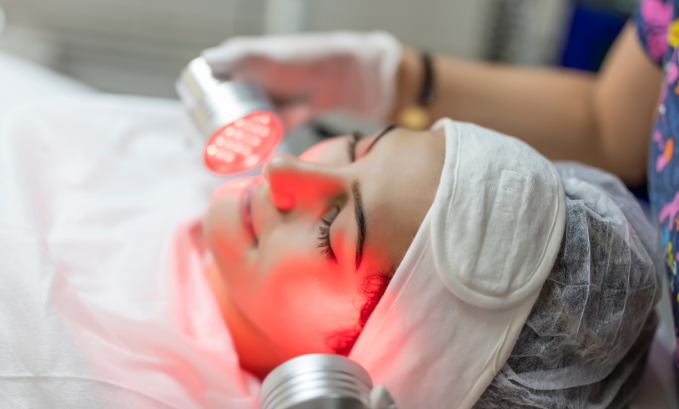
In-clinic sessions run at higher power output than consumer panels, which means a shorter session delivers a comparable dose. At Atlas Men's Health, red light is available two ways. Our full-spectrum infrared sauna at the Midtown Manhattan clinic has red light built in, so one session covers heat exposure and light therapy together. The Ammortal Chamber combines red light with PEMF and several other recovery modalities in a guided 25 or 50 minute session.
The practical difference is frequency. If you are running a loading phase at home, daily sessions are the target. If you are coming in for sessions, two to three visits per week at higher output will get you to a similar place, and you can pair each visit with something else in the same trip.
How Often Should You Do Red Light Therapy by Goal
Skin Health and Anti-Aging
For skin rejuvenation, collagen stimulation, and reducing the visible signs of aging, daily sessions in the initial period produce the fastest results, but 4-5 times per week is sufficient for most people. Clinical studies on red light therapy for skin have used frequencies ranging from 3 to 5 sessions per week and consistently shown meaningful improvements in skin texture, tone, fine lines, and elasticity. Men looking to support skin health from the inside out often combine red light therapy with systemic treatments - the skin benefits of sermorelin make it a natural complement to a red light protocol.
Muscle Recovery and Athletic Performance
For men training seriously, red light therapy is increasingly used as a recovery tool to reduce delayed onset muscle soreness and accelerate tissue repair between sessions. For this application, sessions immediately before or after training, 3-5 times per week, align with most training schedules and the available research. Some protocols use daily red light therapy during heavy training blocks and reduce to 3x per week during deload weeks.
Joint Pain and Inflammation
Chronic joint inflammation responds well to consistent red light therapy at 4-5 sessions per week during an active phase, tapering to 3 times per week once symptoms improve. The anti-inflammatory effects of red light are dose-dependent and cumulative, meaning regular sessions over weeks produce better results than occasional treatments.
General Wellness and Energy
For men using red light therapy primarily for energy, sleep quality, and general cellular optimization, 3-4 sessions per week is typically sufficient for maintenance once you've completed an initial loading phase.
Can You Use Red Light Therapy Every Day?
Yes. This is one of the most common questions, and the short answer is that daily use is not only safe but often recommended during the initial loading phase.
There is no credible evidence that daily therapeutic red light exposure causes harm. The light used in red light therapy does not damage DNA, does not burn tissue, and does not produce the cumulative adverse effects associated with UV exposure. The main consideration with daily use is session length and power output from your device. Higher-powered devices may require shorter sessions to deliver the appropriate dose.
If you're using a full-body panel, 10-15 minutes per session daily is appropriate for most people. If you're using a targeted handheld device, follow the manufacturer's protocol for session length, which is typically 5-10 minutes per area.
Can I Do Red Light Therapy Every Day for Long-Term Use?
Long-term daily use is a slightly different question, and the answer is nuanced. Daily use is well-supported for the loading phase and for men with active recovery or skin goals. For long-term maintenance, most practitioners and researchers suggest that 3-5 sessions per week are sufficient to sustain the benefits achieved during more intensive initial protocols.
The reason is not toxicity or harm from daily use. It's simply efficiency. Your cells have a ceiling for how much photobiomodulation they can utilize in a given period. Reducing frequency slightly during maintenance does not cause regression as long as sessions remain consistent.

Can I Use Red Light Therapy Every Day With a Full Body Panel?
How often should you do full body red light therapy is a question that comes up specifically with larger panel systems. Full body panels expose significantly more surface area per session, which means the total dose is higher even at the same session length as a targeted device.
For full body protocols:
Daily use during a loading phase: 10-20 minutes per session, front and back if your setup allows
Maintenance: 3-5 sessions per week, same session length
There is no evidence that full body red light therapy at these frequencies is harmful. The considerations are the same as any device: consistent use over weeks produces better outcomes than sporadic longer sessions.
How Often Can You Use Red Light Therapy: Practical Tips
Getting frequency right is important, but so is making sure you're using the therapy correctly within each session.
Consistency beats intensity. Showing up 4-5 times per week for 15 minutes produces better long-term results than occasional 45-minute sessions.
Distance matters. Most devices are most effective at 6-12 inches from the skin. Follow your device manufacturer's guidelines.
Timing is flexible. Morning sessions can support alertness and energy. Evening sessions may enhance sleep for some people. The evidence doesn't strongly favor one time of day for most applications.
Stack it strategically. For recovery, sessions before or after training are both effective. Some research suggests pre-exercise sessions may improve performance output; post-exercise sessions may reduce soreness more effectively.
Red light therapy works best as a consistent, ongoing protocol rather than an occasional intervention. Men who integrate it into their regular routine alongside IV therapy, NAD+ therapy, or other wellness treatments tend to see compounding benefits because the underlying cellular mechanisms complement each other. For an overview of what IV nutrient delivery can add to a wellness stack, see our guide to IV therapy and vitamin infusions.
Start with daily sessions for the first month, pay attention to how your skin, energy, and recovery respond, and adjust from there. Most people find a 4-5 session per week maintenance frequency that fits their schedule and delivers consistent results.
Frequency is the part most men get wrong, and it is also the easiest part to fix. Whether you are running sessions at home or coming in for them, the protocol should be built around what you are actually treating and checked against how you respond. Our clinicians can set that up as part of a broader optimization plan, at our East Meadow clinic on Long Island or in Midtown Manhattan. Schedule a consultation to put a red light protocol together that fits your goals.
Frequently Asked Questions
How often should you do red light therapy for best results?
For most applications, daily sessions during an initial 4-week loading phase followed by 3-5 sessions per week for maintenance produces the best long-term results. Consistency matters more than intensity. Regular moderate sessions outperform infrequent long sessions.
Can you use red light therapy everyday without harm?
Yes. Daily red light therapy at therapeutic intensities is considered safe. Unlike UV light, red and near-infrared wavelengths do not damage DNA or skin tissue. The main consideration is appropriate session length for your device's power output.
How often should you do full body red light therapy?
Full body protocols follow the same general guidelines: daily during a loading phase (10-20 minutes per session), tapering to 3-5 times per week for maintenance. Full body panels expose more surface area per session, so the total dose is higher than targeted devices at the same session length.
Can I do red light therapy everyday if I'm using it for muscle recovery?
Yes. Daily sessions are appropriate for active recovery goals, particularly during heavy training blocks. Many athletes use red light therapy before or after each training session. Session length and device intensity should be calibrated to your specific device.
How long does it take to see results from red light therapy?
Most people notice early improvements in skin, energy, and recovery within 2-4 weeks of consistent daily use. More significant changes in skin texture, joint comfort, and sustained energy typically develop over 6-12 weeks of regular sessions.